
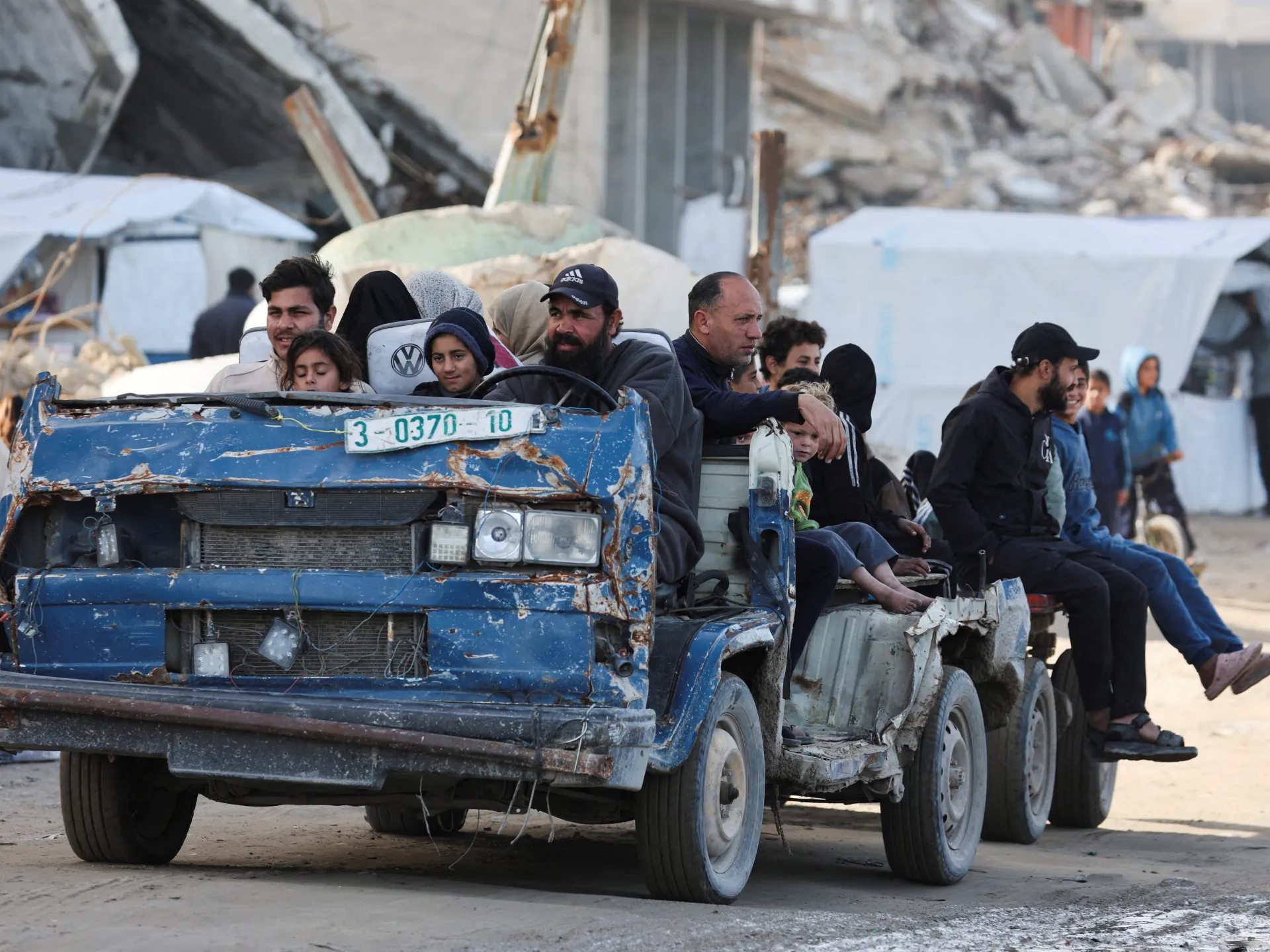
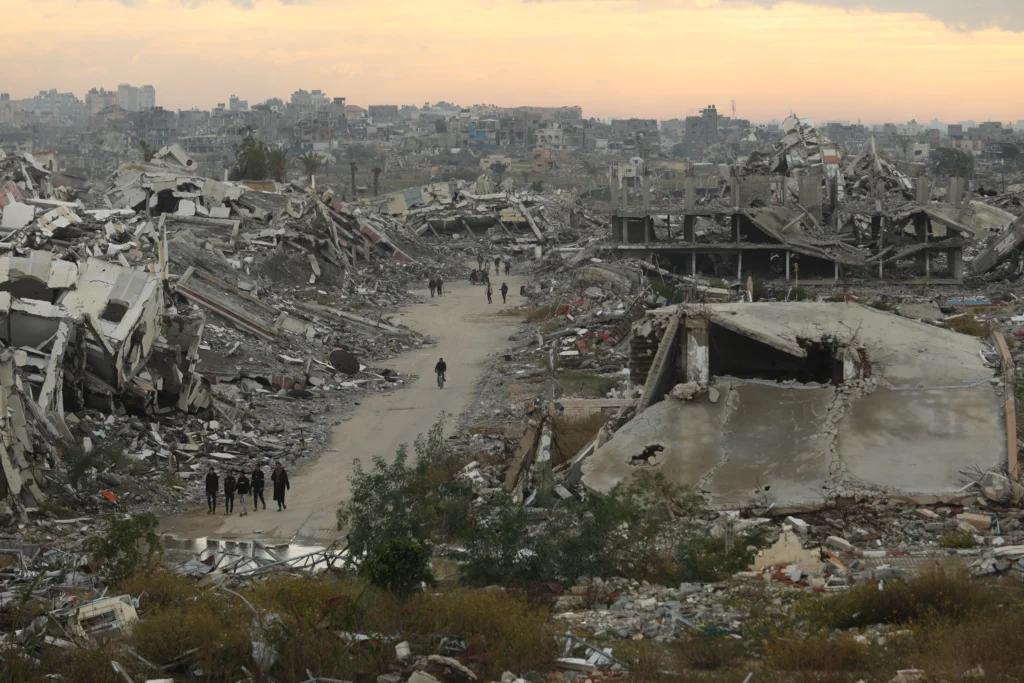
The ongoing Gaza transportation crisis has completely reshaped what it means to travel within the enclave. Following the widespread destruction of infrastructure, distances are no longer measured in kilometers, but by the time, effort, and sheer exhaustion it takes to navigate the city. What were once simple, everyday commutes have transformed into punishing ordeals that drain both the physical and economic well-being of the population. This severe disruption highlights the broader humanitarian and economic collapse brought on by the war.
The Collapse of Everyday Mobility
Before the war, traveling between cities in the enclave was a quick and routine task. Today, the reality is drastically different.
- Drastic Time Increases: A trip between Deir al-Balah and Gaza City used to take just 15 minutes. Under current conditions, navigating bulldozed roads, dirt tracks, and bomb craters extends this journey to two hours or more.
- The Rise of the “Aqla”: With traditional transport options decimated, residents are forced to rely on the “Aqla”—a rear trailer attached to a vehicle. Originally an emergency fix, this uncomfortable transport made of wood, metal, and tarp has become a daily necessity, offering no protection from the elements.
The Collapse of Everyday Mobility
Before the war, traveling between cities in the enclave was a quick and routine task. Today, the reality is drastically different.
The Rise of the “Aqla”: With traditional transport options decimated, residents are forced to rely on the “Aqla”—a rear trailer attached to a vehicle. Originally an emergency fix, this uncomfortable transport made of wood, metal, and tarp has become a daily necessity, offering no protection from the elements.
Drastic Time Increases: A trip between Deir al-Balah and Gaza City used to take just 15 minutes. Under current conditions, navigating bulldozed roads, dirt tracks, and bomb craters extends this journey to two hours or more.
The Physical Toll on the Vulnerable
The destroyed roads do more than just delay commutes; they inflict direct physical suffering, particularly on the wounded and sick.
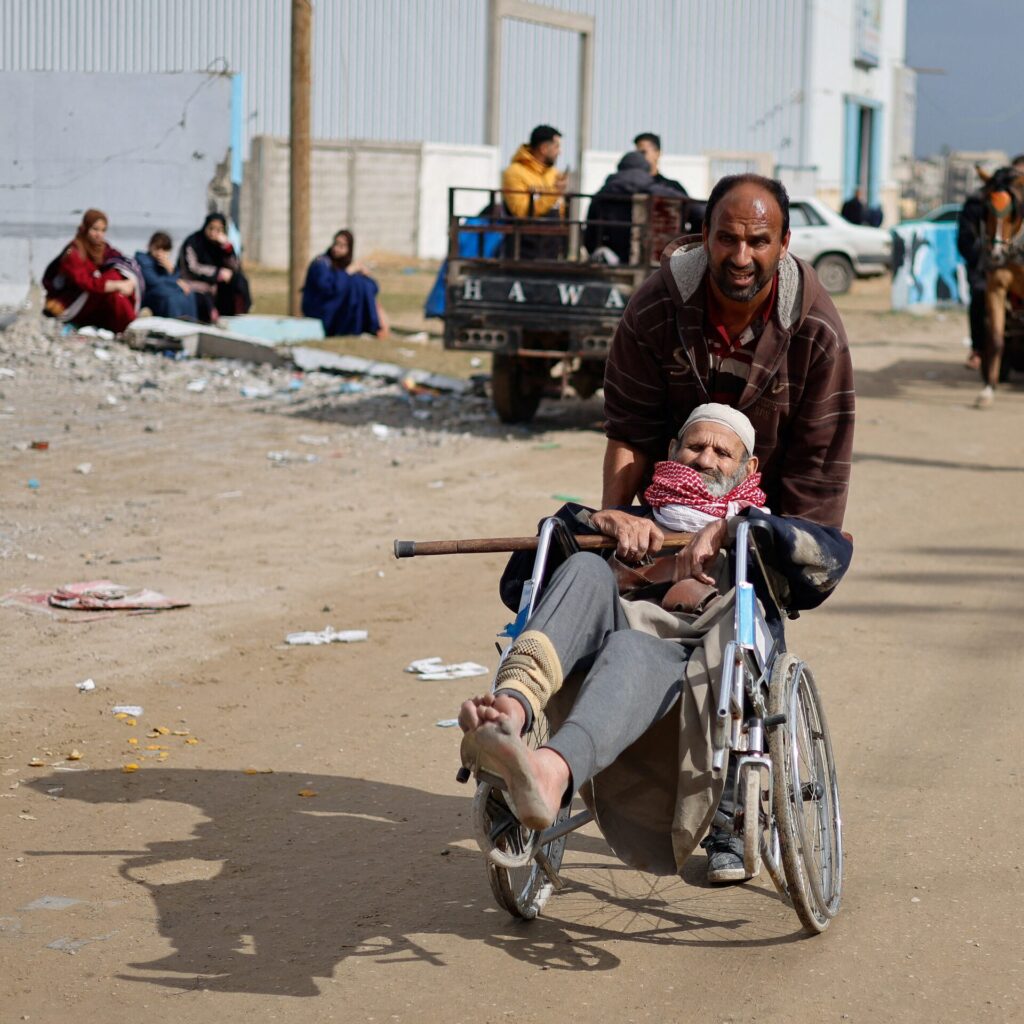
For patients requiring regular medical care or physical therapy, the journey itself is a setback. The violent jolts and shaking from traversing crater-filled dirt roads leave individuals physically exhausted and in pain before they even reach the clinic. The basic need for a stable and restful recovery environment has been entirely erased by the daily commute.
Economic Burden: A Sector in Ruins
The transportation sector in Gaza is facing a multifaceted collapse affecting infrastructure, purchasing power, and the livelihoods of transport workers. Drivers are no longer operating for profit; they are merely fighting for survival.
According to joint assessments by the European Union, the United Nations, and the World Bank , the losses in this sector alone are astronomical. Below is a comparison of costs and losses impacting daily transport:
| Item / Metric | Pre-War Estimates | Current Estimates / Impact |
| Diesel (per liter) | 6 to 7 shekels | ~40 shekels |
| Car Engine | ~6,000 shekels | >28,000 shekels |
| Licensed Vehicles | 88,000 vehicles | 25,000 to 32,000 destroyed/damaged |
| Total Sector Losses | N/A | $3.2 billion |
The Hidden Crisis: Cash Shortages
Beyond physical and economic hurdles, a severe lack of physical cash has further complicated transportation.
- Digital Dependency: Passengers are increasingly forced to rely on electronic transfers and digital wallets to pay their fares.
- Network Failures: Because telecommunications infrastructure is heavily damaged, poor network connectivity often delays payments. Drivers and passengers frequently find themselves stranded on the side of the road, waiting for digital transactions to clear.
Using makeshift materials to repair vehicles is common, increasing the likelihood of breakdowns and accidents on already hazardous roads.
The Hidden Crisis: Cash Shortages
Beyond physical and economic hurdles, a severe lack of physical cash has further complicated the Gaza transportation crisis.
Network Failures: Because telecommunications infrastructure is heavily damaged, poor network connectivity often delays payments. Drivers and passengers frequently find themselves stranded on the side of the road, waiting for digital transactions to clear.
Digital Dependency: Passengers are increasingly forced to rely on electronic transfers and digital wallets to pay their fares.
Conclusion: A City Stretched by War
The infrastructure collapse in the Gaza Strip represents more than just a logistical failure; it is a profound humanitarian disaster. The war has effectively “stretched” the city—not geographically, but temporally and physically. Navigating Gaza today is a daily test of endurance, where roads consume people’s time, resources, and bodies, severely complicating access to work, education, and essential medical treatment.